





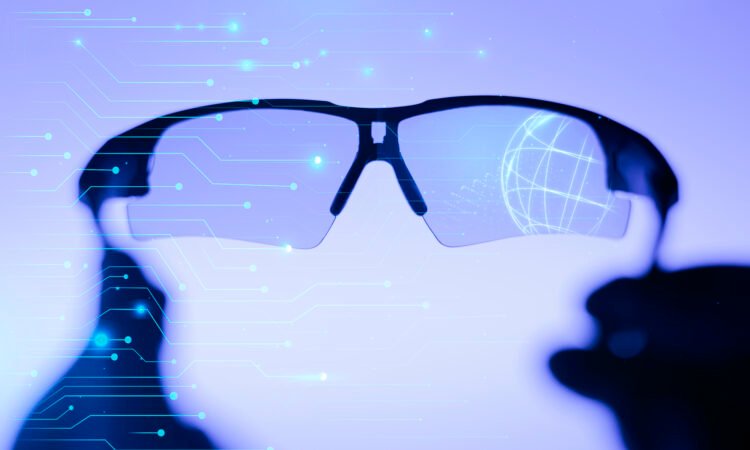
Smart Glasses Revolution: Smart Glasses
5views
In today’s fast-moving world, technology changes the way we interact with our surroundings. Smart glasses are a significant development of this transformation by providing digital data smoothly integrated into day-to-day living. They are not only eyewear: they enhance what we see and hear and feel about the world. With advancements in AR displays, AI assistants, and wearable tech, smart glasses have use cases that range from medicine to showbiz.
Imagine receiving step-by-step directions overlaid onto your path as you walk down the street, or having an AI assistant speak important reminders never requiring you to look at your phone. More precisely, the revolution began with prototypes and has only picked up speed very recently due to better hardware and smarter software available moving into 2026 from firms such as Meta, Google, and Apple driving these machines to be lighter yet more potent available for everyone.
It is about the development, leading technologies, benefits, challenges, and future perspectives of smart glasses. It takes a deeper look at how content experiences are delivered by AR displays, how intelligent assistants inside remove daily issues for users, and finally how everything comes together in one small piece of kit – wearable tech. By the time you have gone through it all you will see smart glasses not as just some fashionable fad but rather an important tool for contemporary life.
How Smart Glasses Have Changed Over Time
Smart glasses have sprouted forth as the noble offspring of humble beginnings. One could trace the origins back to the 2010s with Google Glass introducing an idea of heads-up displays for notifications and navigation. Innovative yes, but it ran into problems such as privacy concerns and bulkiness in design leading to an initial flop. However, it did spark an interest in wearable tech while laying a foundation that would go on to inform subsequent developments.
By the mid-decade, growth accelerated. Meta joins up with Ray-Ban to drop smart glasses on the market with their main focus more on style and less on bulk offering audio and camera features. These models introduce us to AI assistants for voice commands where you can simply talk to take a shot or even get quick answers without using your hands. Companies like Xreal and TCL popped up around this time too with AR displays that show virtual screens making anywhere a workspace or cinema.
In 2025, the market exploded. Global shipments of smart glasses doubled with AI-enabled versions being the main sales shares. Better battery life, brighter screens, and smooth integration with smartphones fuel this surge. For instance, Spectacles by Snap evolved into gesture controls and environment scanning making interactions feel natural.
By 2026, the revolution is thriving. Google, Samsung, and brands such as Warby Parker are preparing to launch their AI glasses with Gemini integration for situation-aware aid. Apple entering this market promises aesthetically pleasing models that come with advanced audio and visual analysis features. These enhancements pick up right where wearable tech fashion left off turning smart eyewear into an essential accessory for employees, athletes, and everyday people.
This development highlights the way smart glasses shifted from just niche gear to being mainstream products. With steady improvements in their augmented reality displays and artificial intelligence helpers, these glasses become increasingly clever and responsive, adapting to the preferences of users right away.
Core Technologies Driving the Revolution
Cutting-edge technologies are at the core of the smart glasses revolution making these glasses practical and useful. Here are some of them.
AR displays are at the heart of today’s smart glasses. They overlay digital information onto the real world using tiny screens or similar technology to present high-resolution images directly before your eyes. In 2026 variants, AR displays will support vivid colors as well as go up to 240 Hz in terms of refresh rates ensuring clear viewing even in bright sunlight.
For instance, Xreal’s glasses offer displays that merge to create huge virtual screens for games. This is not just play content; it can help professionals with info overlays while conducting surgeries or making repairs. As AR displays for spectacles evolve more, they get lighter as well as energy efficient – reduced eye strain, longer battery life.
AI assistants turn smart glasses into an active helper experience. Powered by advanced algorithms, it handles sound, sight, and situation hints to give quick answers. For example, in tools like Ray-Ban by Meta they do translations, reminders, or even spotting items.
By 2026, AI assistants will work much closer with everyday tasks using on-device processing for privacy and speed. An example is Google’s Gemini-powered glasses which provide screen-free help by analyzing surroundings and suggesting actions to be taken. This makes AI assistants extremely valuable for multitasking on the go across a city as well as keeping the schedule without any distraction.
Wearable Tech Integration: Seamless Connectivity
Wearable tech integration would, in the real sense, be the factor to bring everything about smart glasses and other devices such as a smartwatch or phone together. Through this, an ecosystem is created whereby data flows effortlessly. Features such as brain-signal bands found within Meta’s Hypernova enable gesture controls by gestures thus usability.
In the sports and health applications, wearable tech integrated into smart glasses tracks body metrics and gives live feedback. Companies like Povec Optics use color-changing lenses for adaptive tinting, combining with AI assistants to offer custom setups. On the whole, wearable tech makes sure that smart glasses fit in with wider digital lifestyles making them flexible and simple to use.
These technologies work in harmony to drive the revolution of smart glasses forward. Smart glasses do have many benefits that would make several categories of users embrace them. Some major benefits include:
- Productivity gain: Experts use wearable tech in smart glasses for real-time data overlays accelerating activities in professions like engineering and medicine.
- Hands-free Convenience: AR displays plus AI assistants permit the showing of information without ever having to take your phone off the desk, while driving or working
- Better Fun: AR shows virtual theaters or gaming places, which provide deep experiences as one moves
- Healthcare and Fitness Watch: Wearable gear has built-in sensors that monitor vital signs then inform and warn about health.
- Easy Use Features: Smart helpers speak descriptions or translate, helping people with sight or hearing problems.
- Social Link-Instant snaps, shot in silence. Share moments as they happen with connected wearable tech.
These benefits highlight how smart glasses equipped with AR displays and AI assistants reshape everyday experiences.
Challenges in the Smart Glasses Market
Though they bring all these advantages, certain challenges hinder market adoption. The first challenge is privacy since there are cameras and microphones. People fear recording without their consent, hence recording indicators and many other controls that companies need to enforce.
Another problem is battery. There has been improvement but as long as intensive use depletes power rapidly, there is no true all-day wear. Manufacturers are working on efficient chips. It is also a process.
It is also expensive. These high-end models with advanced AI assistants can be expensive at $1,000 and upward meaning they are not very accessible to average consumers.
Very much, yes. So, the first versions were heavy. 2026 promises frames to be light also. But fitting for different face shapes and ensuring there is no eye fatigue from AR displays remains crucial as well.
There are regulations, more so in sensitive places like healthcare where wearable tech should work by the regulations. Solving these will make the big win possible.
Smart Glasses Top Market Lists
A snapshot comparative rundown of some of the best smart glasses that would be made available starting from 2026 and beyond.
| Model | Key Features | Price Range (USD) | Release Year | Strengths |
| Meta Ray-Ban Hypernova | Artificial intelligence assistants, heads-up display, neural wristband | 1,000-1,400 | 2026 | Intuitive controls, strong AI integration |
| Google Gemini Glasses | Displays for augmented reality, contextual artificial intelligence, lightweight construction | 800-1,200 | 2026 | Smooth Android ecosystem, privacy focus |
| Apple Smart Glasses | Audio analysis, Siri-enhanced artificial intelligence assistants | 900-1,300 | Late 2026 | Premium build, all-day battery |
| Xreal R1 AR Glasses | 240 Hz displays for gaming-focused augmented reality glasses with support for spatial screens | 500-800 | 2026 | High refresh rates, immersive visuals |
| Snap Spectacles | Gesture controls and 3D anchors with integration into broader wearable technology | 600-900 | 2026 | Social sharing, creative tools |
This table shows a mix that focuses on AR displays, AI helpers, and wearable tech.
Future prospects
From now on, the market for smart glasses will be booming. By 2030, billions are expected to be generated as a result of higher quality AR displays and more useful AI assistants. New attributes such as complete mixed-reality overlays and simpler integration with other wearables will broaden usage in education shops as well as working remotely. With deep pockets diving all-in, look for intelligent yet affordable options that fit into everyday life.
Conclusion
A new wave of smart glasses changes the human machine interface. From relatively humble seeds to hyper-powered variants on offer by 2026, breakthroughs in AR displays, AI assistants, and wearable devices combine to create the evolving implementations of smart glasses as convenient appendages offering hands-free benefits, productivity boosts and novel forms of entertainment. There is a downside. First, these are somewhat tricky about privacy matters and second regarding their cost.
As we embrace that future, smart glasses will enable a more connected and productive world whether at work or in play. They are likely the next wave of wearables making digital augmentations feel organic and essential. The revolution is here to see the world through smarter lenses.
For more exclusive Tech updates, visit Reminder Magazine
add a comment