




Biophilic Design for Eco-Friendly Home Wellness in 2025
10views
In the modern lifestyle, it has become an essential priority to design homes that foster the nourishment of both body and mind. By 2025, biophilic design is considered an effective approach to apply nature’s serenity within contemporary environments. This style puts its major focus on aspects that make a home feel like being outside while inside – promoting wellness as a priority while sustaining the environment. Imagine waking up with healthy rays of sun encapsulating living green walls or lounging on reclaimed materials. Biophilic design essentially provides good mental calm, stress relief, and sustainability support as well. In this article, we provide a realistic approach to adopting such concepts in your personal household with actionable steps and new trends for the upcoming year.
What Is Biophilic Design?
Biophilic design springs from a concept, by drawing on the innate connection for nature. While ‘biophilia’ literally means loving life, realistically it describes how people develop best in the presence of elements from nature. In home environments, this takes expression as greenery, sunlight, and organic material that contribute to making rooms lively and refreshing.
The Roots and Rise in 2025
This concept is not new, but in 2025 it evolves with smarter tech and greener materials. Experts predict a rise in homes that enhance air quality and biodiversity as healthy homes need climate change to be better comprehended. Biophilic houses can cut energy use by between 10% and 20%, making them the ideal home for a green family. These designs turn into sanctuaries as urban living expands, changing gray spaces to green ones.
Essentially, biophilic design rests on simple principles: view nature, engage all senses, utilize patterns derived from the natural world. For wellness, it reduces stress by 15% with green views according to new study reports. It enhances sleep and focus as well mainly in open-plan houses because such inside setups hold great importance.
2025 Introduces a New Biophilic Design Wave
2025 introduces a new biophilic design wave with technologically advanced innovations and age-old natural elements. Among them are daylight cycle smart lighting and modular green walls, easy-to-use and effective offerings. Here are some of their aspects that make for happier spaces, healthier spaces, aspects striking a home that cares for the planet.
Nature Moves Indoors
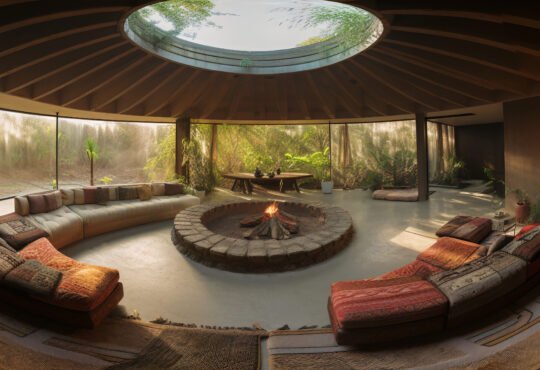
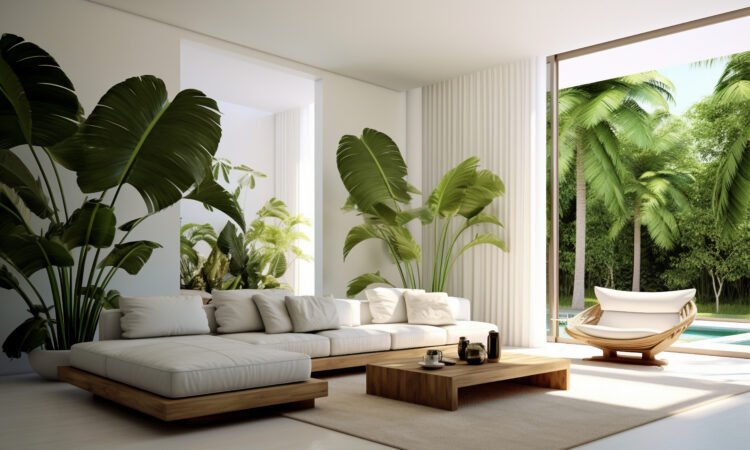
Nature-integrated interiors will be at the core of trends for 2025, incorporating the moods of exterior surroundings into everyday living. Wall gardens, floors with embedded pebbles that recall paths in a forest – these set-ups purify air and at the same time deliver background settings to relax.
Begin with something simple. Use a living room divider as the surface for trailing vines, or create your kitchen backsplash out of moss panels. Inside the home, nature views halve stress accumulated by screen time. For kids, it inspires creativity by turning play zones into micro forests. With sustainability served right up next – providing low-water plants for an ever-thriving trend due to the increasing urge towards saving nature inside homes – this saves on annual irrigation costs by 30%.
Soft greens to earthy tones are recommended to get some depth. In bedrooms, nature-integrated interiors comprise sheers over herb pots where the wind can blow gently inside for a deeper rest. The trend is very flexible for apartments too because balcony extensions bring the wild in without major renovations.
Reclaimed Wood Furniture Speaks of the Rustic Soul
Reclaimed wood furniture speaks of the rustic soul of old barns or driftwood shores made useful as something comfortable. It carries with it a low carbon footprint, which will be highly appreciated in 2025 because every piece does not go to waste filling up the landfills with wastes and at the same time shares a story regarding its renewal.
Choose dining tables or shelves of reclaimed wood furniture because their beautiful grains give a type of warmth that no new piece can deliver, mass-produced items included. Wellness is supported by spaces grounded in authenticity that eases the mind and steadily comforts the overload of digital experience. Durability is another win, reclaimed pieces last decades reducing replacement needs.
Put reclaimed wood furniture with plain fabrics. For work rooms at home, it helps to know that oak tables made from saved parts boost work time since the feel of wood often calms nerves during long and tired hours at the job. On the eco side, buying items made of local old wood cuts travel fumes and puts the act into world green moves. Craftsmen answer more wants with more picks by coming up with ends that show more of the natural oil choices keeping pieces bright without using any chemicals.
Harnessing Passive Solar Home Features
Passive solar home features use the power of the sun intelligently, and support equipment-less. Example trends include windows orientation to get heat in the winter or roofs needing shading to be cool in the summer which describe this trend to cut heating costs by 50% in efficient setups.
In 2025, passive solar home features will join with smart glass that shades by itself, changing to set the right light for the body clocks of the family. New houses have south-facing high windows that can let in light without being blocked with kept roofs so there is no chance of glare – perfect spots to sit and read.
In the retrofit of old houses, one should consider adding heat-storing walls – constructed from stone or adobe – that would store heat during the day. Passive solar home features come best to life in communal areas, such as a sunroom that doubles as a yoga space. The design promotes equity because affordable designs make green living reachable to all. Track it with simple audits: monitor how these elements lower utility spikes during seasonal shifts.
Adopting Zero Waste Plant Based Decors
Zero-waste plant-based decor carries the concept of daily use to higher aesthetic function, applying fibers of hemp or bamboo or cork. This is 2025’s version-of-choice for socially conscious style with items that decompose totally at end-of-life usefulness.
Start with a jute rug or a pillow filled with kapok. It is soft, breathable, and sustainable. Plant-based zero-waste decor enhances wellness because it naturally filters allergens making it a haven for allergy-friendly homes. In living spaces, banana leaf wall hangings add interest without too much volume.
Do it yourself Fruit peels upcycle by dyes for fabrics. Zero-waste ethos. This decor becomes thoughtful since taking care of it repeats what nature does. For bathrooms, let bamboo trays and linen towels be the epitome of zero-waste plant-based decor that will wick moisture while looking spa-like. As circular economies widen, these gain flexibility – swap panels in screens for seasonal refreshes.
| Element | Wellness Benefits | Eco-Impact | 2025 Innovation |
| Nature Pods | <15% Stress; better Focus | Low Water Use; Air Purification | Modular green pods with LED grow lights |
| Reclaimed Wood Furniture | Grounds em Feelings; Durable Long Stay | Use Diverts Landfill Waste Low Emission | Custom Engraves by 3D Scanning |
| Passive Solar Home Features | Regulates Sleep Cycles Vitamin D Booster | 50% Energy saves No Fossil Fuels | AI optimized shading fabrics |
| Zero-Waste Plant-Based Decor | Hypoallergenic Natural Scent Therapy | Fully Biodegradable Zero Plastic | Hemp composites for flexible panels |
Biophilic Design Does Not Necessarily Have to Be a Renovation
Biophilic design does not necessarily have to be a renovation. Begin with indoor light and air flow mapping of the house. Layer on elements gradually so as to give time for change to settle.
Room-by-Room Guide
- Living Room: Install nature-interlocked inside floors as you lay a pebble mosaic floor. Throw in reclaimed wood furniture to complete the look of a cozy sectional – perfect for any family gathering.
- Kitchen: Use passive solar home features with east-facing windows that can catch the morning glow. Add zero-waste plant-based decor through herb jars on shelves, which freshen the air.
- Bedroom: Use reclaimed wood furniture in a low bed frame. Nature integrated interiors, vine-draped headboards for restful nights.
- House Work: Passive solar house elements offer constant sunshine. Set up with no-waste plant-based decorations, such as bamboo organizers, to motivate.
Use the 20/80 rule: spend 20% on major impacts like passive solar house elements and 80% on extras like reclaimed wood furniture.
Budget and Source
Local artists can look for reclaimed wood furniture to save on shipping costs. Decorations from zero-waste plants come from co-ops that let people buy natural fibers in bulk. DIY rules nature-joined insides: spread cuttings from a friend’s plant. Passive solar home features? Window placements found with free online calculators.
Challenge! Small spaces do not allow grand scales but verticals like wall pockets answer it. Maintenance, dust those leaves weekly to keep that nature-integrated interior vibrant.
Real Inspirations for Homes 2025
Imagine a household in Seattle, where ferns move within reclaimed wood furniture hearths. Skylights passive solar home features make it very warm inside while zero-waste plant-based decor in linen throws brings the whole look together. Residents have reported 25% less seasonal blues.
Or think of a clever passive solar home plan using reflectors that rest in a Tokyo small flat and send the light deep into the inside. Reused wood furniture shelves hold no-waste plant-based decor pots to make Zen amid the rush of the city itself. These stories show biophilic design’s flexibility from the suburbs to the high rise.
In corporate wellness pilots, offices emulate these with versions at half the scale – raising employee retention by 18%. For homes, hybrid models mix tech: apps watch over the health of plants in nature-intact insides making sure thriving ecosystems.
Getting Past Usual Bumps
Allergies. They disturb a few, but low-pollen choices in zero-waste plant-based decor reduce the risk. Price? Reclaimed wood furnishings mostly surpass new imports. For passive sun-powered home highlights in rentals, films on windows that can be set up for the time being are speedy fixes.
Education has strength. It makes a difference when individuals share plans in community gatherings. Doing this can motivate everybody to move towards greener homes together.
Conclusion
As 2025 thrives, biophilic design becomes the seed of green home wellness. Through incorporating nature-associated interiors, reclaimed wood furniture, passive solar home features, and zero-waste plant-based decorations we create spaces that heal and sustain. These components are not trends – they are investments in joy, well-being, and a balanced planet. Start today: pick one element such as a sunny corner with potted greenery and feel the difference. Your space can be a refuge where nature’s whisper brings daily peace. Go this path; the benefits bloom eternally.
For more exclusive Home & Living updates, visit Reminder Magazine
add a comment