





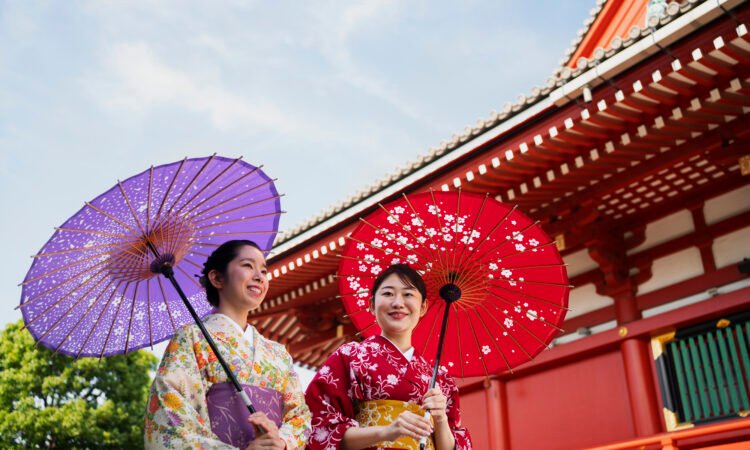
Authentic Immersion: Kyoto's Traditional Arts and Festivals in 2025
41views
Kyoto, Japan’s former capital has always been a great example of culture and history. As the city starts the new year with more energy in 2025, visitors have a chance to see its many sides. Sitting in a calm garden while drinking matcha during a tea ceremony, walking on foggy paths at Shinto shrines, or shaping clay in artisan workshops are just some experiences that can make strong connections to Japan’s heritage.
Kyoto splashes the calendar with color and joy through its annual seasonal matsuri. Parades in spring, fire rites in autumn- these are festivals binding communities in collective merriment. Seeking silent contemplation or bustling assemblies? In 2025 real immersion is provided here as we lead you to participate in Kyoto’s ancient crafts and events at their best journey organized to blend calmness with excitement yet maintaining respect for this city of eternal life letting her gentle voices guide your way forth.
Timeless Arts of Kyoto
Born from centuries old practices, they invite a slow taste of simplicity out of visitors. Easier access – and true mastery guiding hands – in 2025 makes pursuit easier than ever before. Try dawn meditation to evening handiwork, finding home here.
The Grace of Tea Ceremonies
The tea ceremony is more compelling than all of Kyoto’s beauty. This rite (chanoyu) makes out of the small act of preparing green tea and drinking it together an exercise that becomes sharing, something meditative, indeed artistic. Guests kneel on tatami mats watching as the host whisks matcha with very exact movements – steam rising gently – bringing with it hints of fresh leaves moistened by quiet concentration.
Tea ceremonies lie well over the city by 2025. Little dwellings close to Gion’s ways under lights offer newbies a class of only forty-five minutes. See how to fold your kimono sleeves then bow to take a sweet wagashi that will balance the bitter taste of the tea. Private choices from pairs or family groups start at low prices for them hosting their group. For more depth join a full day workshop grinding tea leaves by hand, with ways echoing means from the 16th century.
It may proceed with vistas of the garden, framed in either cherry blossoms or autumn leaves. For the tea ceremony, it’s not just sipping tea but trying to learn presence. While talking about the shape or discussing the mood of the season with the host, suddenly time vanishes. Most places are very open nowadays to speak English so they get lost in translation-no one ever feels like they’re left out. Whether you are alone or with someone else, this ritual uplifts you to meet the bustling streets of Kyoto with newfound calmness.
Serenity at Shinto Shrines
Kyoto has many Shinto shrines. They are places relating to the natural world. Shrines show their red gates and old cedar trees in a calm setting for moments of thought. In Shinto teachings, kami sacred force lives in all parts of nature; therefore every trip there is a conversation with holiness.
In 2025, begin the special summer openings. Secret rooms are usually never seen by the general public. Start at Fushimi Inari Taisha, with thousands of red torii gates winding up a mountain path. Early morning means less crowd-noise-more birdsong among the fox statues. Pull an omikuji fortune from a wooden box, and tie it to a branch for good luck.
In the heart of Gion, at the soul of Gion, sits the much vibe Yasaka Shrine. Calm places can be found there. Clap two times at the main hall to call forth the kami then rinse hands in the temizuya basin. Close by, riverbanks at Shimogamo Shrine offer spots for laying out picnics on grass under old trees. Guided walks in 2025 take looks at shrine build, from roof curves to detailed carving.
Minor rituals at Shinto shrines like the writing of wishes on ema plaques, families crowd these places during New Year’s hatsumode, spring and fall find the place calm. They speak of harmony, human and nature joined amidst modern life. An hour here is enough to reset the spirit for all that vibe one finds in Kyoto.
Crafting Memories in Artisan Workshops
The artisan workshops of Kyoto offer inspiration, drawing from a restoration workshop for guests eager to become creators. Here, hands and history fully converge because guests learn to mold some pottery or dye some silk with the masters of the house normally located in silent lanes that have kept alive crafts passed down through generations.
By 2025, choose lessons under seasonal themes led in English. Try the kintsugi – the ceramic mending where the breakage is laced with gold lacquer, strength binding through fault. Lessons take two hours: one bowl to break then mend – a memory to take home against forgetting.
Kiyomizu has hillside studios where evening porcelain inspires you to throw clay on a wheel. Feel the cool earth answer your call then set it with shades of brown. Yuzen dyeing classes give plain shawls that break into designs by means of rice-paste blocks and every shade in the red to violet range.
Make temari balls – small spheres that were once tossed about in the noble’s game. Or blend incense, choosing woods and spices to match your mood. Many of the craft workshops now offer group rates, perfect for bonding teams.
It is greater than the experience of making it. It is sharing stories. Artisans narrate wartime revivals or family legacies, mixing personal narratives into your work. Walk away with not just an object but a sense of pride earned in its creation. These are workshops to rescue the handmade from a world gone mad with mass production – a place to value slow, thoughtful labor.
Vibrant Seasonal Matsuri
Kyoto deftly moves its roads with each seasonal matsuri, making them trails of old show or merry play. Her festivals mark the city’s time with walks and moves and meals-they are matsuri noting Nature’s rounds. At one big festival happening in some parts of the city, waiting for it comes with hopes of more safety, digital maps giving easy way-finding, while truly it’s always about showing respect to forebears even as they were calling all the world to join a feast.
Festival Highlights: A 2025 Calendar
This table contains the main traditional matsuri of Kyoto in 2025. Dates may vary slightly (lunar festivals); always check with the locality.
| Festival Name | Date | Highlights | Best For |
| Ebisu Festival | January 9-10 | Parades for the lucky god and blessings for business | New Year cheer |
| Aoi Matsuri | May 15 | Heian-era costumes, ox-cart procession | Spring elegance |
| Gion Matsuri | July 1-31 (peaks 17 & 24) | Giant floats, yoiyama night stalls | Summer energy |
| Kurama Fire Festival | October 22 | Torch-lit runs, mountain flames | Autumn thrill |
| Jidai Matsuri | October 22 | Historical reenactments, warrior march | Cultural depth |
Here is a snippet, taking rituals of whispers and others which scream for crowds to notice.
Spring Awakening: Aoi Matsuri
The Aoi Matsuri throws on imperial elegance for spring in Kyoto. Over five hundred performers don clothes of the Heian-era move from Shimogamo to Kamigamo Shrines on the fifteenth day of May in the year 2025. Women dressed in kimonos of many layers holding bouquets made from branches of iris chase away any evils waiting in summer.
A two-hour parade goes down the tree-lined streets led by an ox cart. People who come early get good spots but side streets give close-up views. Afterwards, there are taiko drum shows at the shrines.
This matsuri has to do with prayers for fertility, thus hollyhocks on everything. Place it near a tea ceremony for an entire day of newness. As petals fall, feel how this season speaks – soft yet so very alive.
Summer Spectacle: Gion Matsuri
July, Gion Matsuri is the greatest seasonal matsuri of Kyoto and a month-long purification rites. Beginning on the first of July,2025, it has its climax with yamaboko floats that reach up to three stories high. Built by neighborhood guilds, these wheeled masterpieces present myths and history.
Nights of Yoiyama, July 14-16, and July 21-23 when there is no traffic on the streets because all the streets are closed to cars but filled with lanterns, games, and street food. Savoring yakitori skewers or chilled somen under nighttime skies. The main parades on July 17 and 24 will be displaying 33 floats pulled by ropes accompanied by gion-bayashi music.
Gion was born in 869, dwelling on both severe and festive overtones designed to pacify the plague gods. In 2025, it will become green with reusable decorations. Look at Yasaka Shrine first for context then plunge into the flux. It is raw beauty- sweat, smiles, and together folk.
Autumn Flames: Kurama Fire Festival and Jidai Matsuri
October 22, 2025 shares two blazing seasonal matsuri. At the Kurama Fire Festival the first lights up Mount Kurama and slopes with villagers in white fundoshi running with burning torches building big bonfires at the base. Drums in as flames leap singing out thanks for harvest. Take a train for the 30-minute climb; be there by nightfall for build-up. The raw energy – smoke, chants and heat – primal awe. Shinto shrines nearby hold pre-festival prayers.
The time that very same day is when Jidai Matsuri takes the extremely long walk from Imperial Palace to Heian Shrine. Over 2,000 in costumes of all periods – from samurai to officials of the Meiji period – recreate 1,100 years of history. It is a slow stately pageant with horses and palanquins adding more than a little flair! That describes autumn’s back-to-back events quite well: wild fire and refined pageantry. Evenings are cool; bundle up and end with hot chestnuts from vendors.
Planning Your Immersive Journey
To get the most out of Kyoto in 2025, bear in mind that careful planning is what brings out deeper joys. Here are practical tips:
- Book early for arts experiences: Spots for Tea ceremonies and artisan workshops get filled up quickly particularly around peak matsuri time. Secure your place online two weeks in advance to keep your schedule flexible.
- Wear layers of clothes. Light layers are best with the kind of weather changes. Rent kimonos if you want to join any tea ceremony or just visit shrines so you may also look the part.
- Follow the crowd, do it wisely. You can use a JR Pass to shrine hop. Hyperdia and others will show where the crowds for festivals go. Begin before sunrise.
- Savor the tastes, flavors from the locals. Artful kaiseki dinners and seasonal wagashi sweets in the midst of festivals
- Sustainability, select only environmentally friendly tour guides. Carry a reusable bottle for shrine purifications. Stay long. Do morning workshop afternoons on top of a quick Shinto stop and end with an evening tea ceremony to have balanced days.
Conclusion
Kyoto, 2025 throws up a tapestry hardly seen anywhere else in the world between reticence and renewal. From polite composure through tea ceremonies to sacred mutterings within Shinto shrines, creative urge in artisan workshops and strong beat of seasonal matsuri festivals- you walk out differently. They’re not relics at all; rather than that, they’re invitations.
For more exclusive Travel updates, visit Reminder Magazine
add a comment